A Guide to Pick and Carry Cranes for Your Project
How pick and carry cranes work, where they excel, and why they are often the smartest lifting choice for tight-access sites across Adelaide.
Not every lifting job calls for a large crane that sets up in one spot and stays there. Many projects need a machine that can lift a load and move it across the site in a single operation. This is exactly what pick and carry cranes do, and it makes them one of the most practical lifting options for builders and contractors working in confined or busy environments.
This guide explains what pick and carry cranes are, the benefits they bring to a project, the jobs they suit best, and how they compare to stationary cranes. If you are weighing up your crane options for an upcoming Adelaide job, understanding this crane type will help you make the right call.
What Are Pick and Carry Cranes?
A pick and carry crane is a mobile crane that lifts a load and travels with it across a work site. Unlike conventional cranes that stay in a fixed position during a lift, a pick and carry crane picks up the load, drives it to the required location, and places it down. It combines lifting and transport into one seamless movement.
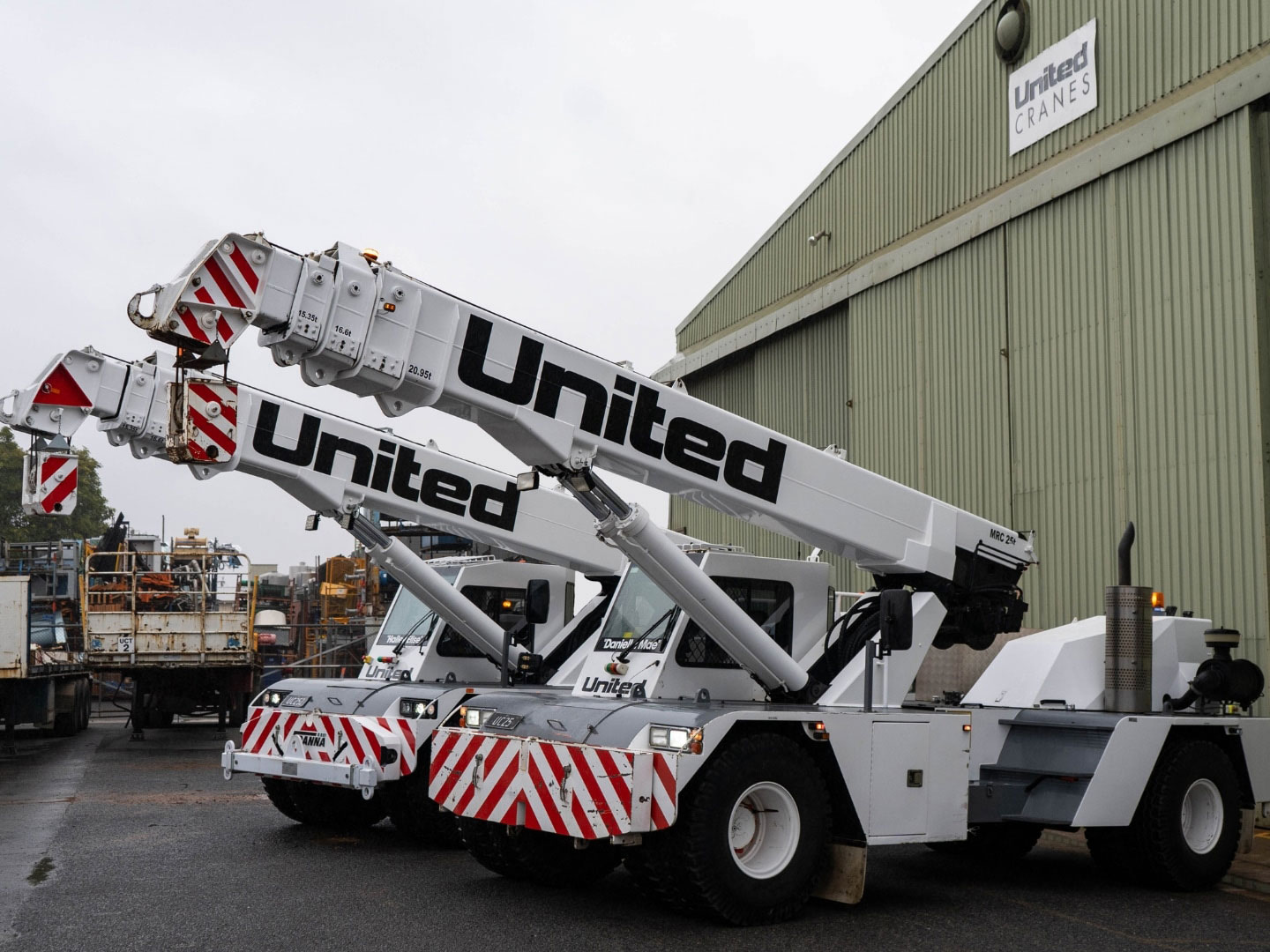
These cranes run on rubber tyres and sit on a single chassis, giving them a compact footprint and excellent manoeuvrability. Because they can carry a suspended load, they do not need to set down outriggers for most lifts. This means faster set-up, less ground preparation, and the ability to work in spaces that larger cranes cannot access.
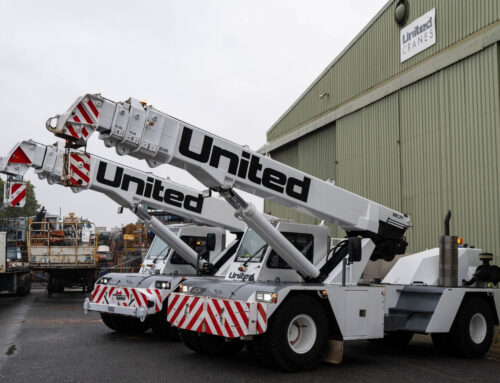
The most well-known pick and carry crane in Australia is the Franna. In fact, the name Franna has become so widely used that many people in the industry use it interchangeably with the term pick and carry crane. United Cranes runs a modern Franna fleet, and you can learn more on the dedicated Franna crane hire Adelaide page.
Mobility and Efficiency Benefits
The defining advantage of a pick and carry crane is its mobility. This single capability delivers a range of practical benefits that translate directly into time and cost savings on site.
⚡ Fast Set-Up
Pick and carry cranes need little site preparation. Without the requirement to deploy outriggers on every lift, the crane is ready to work quickly. This shortens the time on site and keeps hire costs down.
🚚 Load Transport
Moving a load across a site without repositioning the crane saves considerable time. There is no need to pack up, relocate, and set up again for each placement, which streamlines multi-lift jobs.
📏 Compact Footprint
The small size and rubber tyres let these cranes work in tight spaces such as rear yards, narrow laneways, and crowded construction sites where access is limited.
🏦 On-Road Travel
Many pick and carry cranes are road-registerable. They can drive between nearby sites under their own power, which reduces mobilisation costs compared to cranes that need a float truck.
Taken together, these benefits make pick and carry cranes a cost-effective choice for the right kind of job. For lifts within their capacity range, they often complete the work faster and at a lower total cost than a larger stationary crane would.
Typical Applications
Pick and carry cranes suit a broad range of jobs across residential, commercial, industrial, and civil sectors. Their versatility comes from the combination of compact size and the ability to move loads around a site. Common applications include the following.
Where Pick and Carry Cranes Excel
Residential Construction – Placing roof trusses, timber packs, windows, and masonry materials on home building sites where access is often tight and space is limited.
Pool Installation – Lifting a pool shell from a delivery truck and carrying it through narrow side access into a rear yard, a job that pick and carry cranes handle particularly well.
Commercial and Industrial Lifts – Positioning structural steel, mechanical equipment, and deliveries into tight footprints where access and timing matter.
Plant and Machinery Moves – Relocating equipment within a facility, supporting shutdowns, and handling staged material moves for complex works.
Infrastructure and Civil Works – Assisting with material handling and lifting tasks on civil sites where loads need to move across the work area.
The common thread across all of these applications is movement. If your job involves lifting a load and then moving it a meaningful distance, rather than simply lifting it straight up and placing it nearby, a pick and carry crane is worth serious consideration.
Comparison to Stationary Cranes
Understanding how pick and carry cranes differ from stationary cranes helps clarify when each is the better choice. A stationary crane, such as a truck-mounted or all-terrain mobile crane, sets up in one position, deploys outriggers for stability, and lifts from that fixed point. To move a load a significant distance, the crane must pack up and reposition.
Pick and Carry Cranes
Move loads across a site while suspended. Fast set-up with minimal ground preparation. Compact footprint for tight access. Best suited for lighter loads up to approximately 25 tonnes. Ideal for jobs that need mobility and speed.
Stationary Cranes
Lift from a fixed position using outriggers. Higher lifting capacities available. Greater boom reach and height. Better suited for heavy loads and high-reach work. Ideal for large-scale lifts where the crane stays put.
Neither crane type is universally better. The right choice depends on the specifics of your job. If you need to lift heavy loads to significant heights from a single point, a stationary crane is the answer. If you need to move loads around a confined site quickly and efficiently, a pick and carry crane will usually be the more practical and economical option.
For many projects, the best solution involves both crane types working at different stages. An experienced provider will assess your requirements and recommend the right machine for each phase of the work. To see the full range of options available, explore crane hire Adelaide services.
FAQs
What is a pick and carry crane?
A pick and carry crane is a compact mobile crane that lifts a load and travels with it across a work site. It runs on rubber tyres, sits on a single chassis, and does not need to deploy outriggers for most lifts. The Franna is the best-known pick and carry crane in Australia.
How much can a pick and carry crane lift?
Pick and carry cranes typically lift loads up to approximately 25 tonnes, depending on the model and configuration. The effective lifting capacity also varies with boom length and radius. Your crane provider can confirm whether this crane type suits your specific load.
When should I choose a pick and carry crane over a stationary crane?
Choose a pick and carry crane when your job involves moving loads across a site, when access is tight, or when you need fast set-up for lighter lifts. A stationary crane is the better option for heavy loads or lifts that need significant boom height from a fixed position.
Are pick and carry cranes suitable for residential sites?
Yes. Pick and carry cranes are one of the most popular choices for residential work. Their compact size and ability to navigate driveways and rear-yard access make them well suited for pool installations, roof truss placement, and general material handling on home building sites.
Need a Pick and Carry Crane in Adelaide?
United Cranes runs a modern Franna fleet ready for tight-access lifts and fast positioning across Adelaide and South Australia. Get in touch for expert advice and a fast, obligation-free quote.