Crane Hire Guide
Choosing a Crane Company in Adelaide: Five Factors to Assess
The five checks that separate a dependable crane company from a risky one, and how to confirm each before you book your next Adelaide lift.
Hiring a crane is a serious safety and budget decision, so the crane company you choose matters just as much as the machine that turns up on site. A capable provider protects your schedule, your workers and your bottom line. The wrong one can stall a project, inflate costs and expose you to real risk.
The good news is that quality providers tend to share the same traits, and those traits are easy to check if you know what to ask for. Below are five factors to assess before you commit, along with the questions and paperwork that reveal whether a provider measures up.
The five factors at a glance
Licences and insurance, fleet age and maintenance records, operator experience and training, safety procedures and records, and clear pricing and quotes. Work through each one and you will quickly separate the professionals from the pretenders.
1. Licences and Insurance
Licensing and insurance are the baseline. In Australia, crane and rigging work must be carried out by operators who hold the correct high risk work licences for the equipment in use, and the business itself should carry appropriate public liability and workers compensation cover. If a provider cannot produce this quickly, treat it as a warning sign.
Ask to see current documentation before the job, not after. A professional operator will have it on hand and will not be offended by the request.
- Current high risk work licences for the operators and riggers assigned to your lift.
- Public liability insurance at a level suited to your site and load values.
- Workers compensation cover for every crew member on site.
- Written confirmation that the crane is registered and certified for use.
2. Fleet Age and Maintenance Records
A crane is only as reliable as its maintenance history. Older machines are not automatically a problem, but a poorly maintained crane is, because a breakdown halfway through a lift means idle trades, delays and unexpected recovery costs that dwarf any saving on the hire rate.
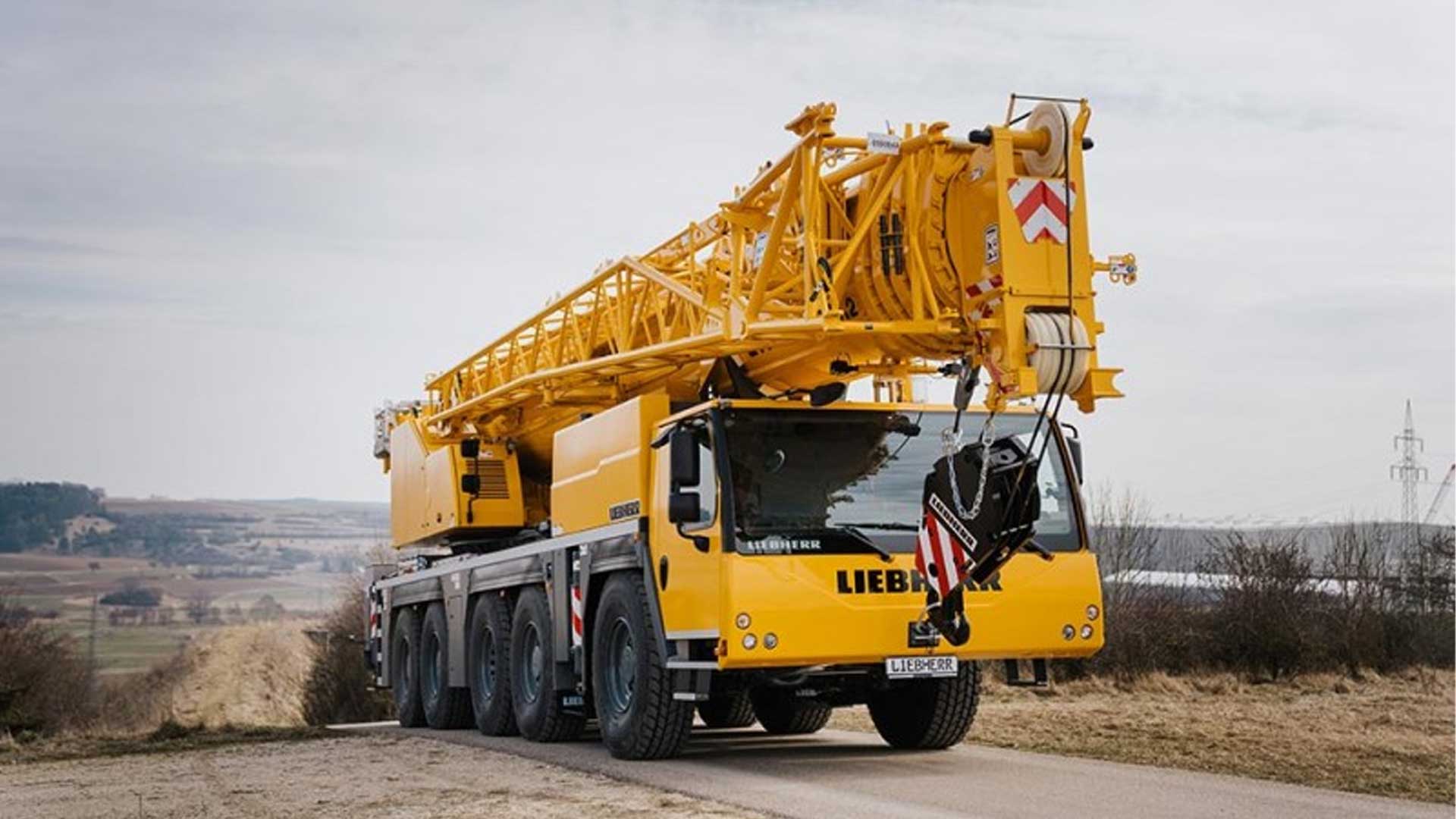
Look for a modern, well maintained fleet with documented servicing and regular inspections. A varied fleet also matters, because it means the provider can match the right machine to your access, height and load rather than forcing an unsuitable crane onto the job.
- Evidence of scheduled servicing and routine safety inspections.
- A fleet range that can match your capacity, reach and site access.
- Clear records showing each machine is maintained and compliant.
3. Operator Experience and Training
Skilled personnel are as important as the equipment they run. An experienced operator reads a site quickly, anticipates the next move and keeps a lift controlled and efficient. That experience translates directly into faster, safer work and fewer surprises.
Ask how long the crew has been operating, what ongoing training the provider invests in, and whether the same team will handle planning and execution. Continuity between the people who quote the job and the people who deliver it is a strong sign of a well run operation.
4. Safety Procedures and Records
Safety is where budget operators most often fall short, and it is the area with the highest stakes. A quality provider treats safety as a documented system, not an afterthought. That means engineered lift plans, risk assessments, exclusion zones, clear communication on site and a genuine safety culture from the first pre-start check to the final placement.
Recognised industry frameworks are a useful benchmark. In the crane sector, schemes run by CraneSafe and the Crane Industry Council of Australia (CICA) support best practice inspection and compliance, so accreditation against them is a positive signal worth asking about.
- Engineered lift plans and risk assessments for complex or higher risk lifts.
- Documented safe work method statements and site inductions.
- Accreditation with recognised industry safety schemes such as CraneSafe and CICA.
- A safety record the provider is willing to discuss openly.
5. Understanding Pricing and Quotes
Finally, look closely at how a provider quotes. A trustworthy crane company puts its pricing in writing and explains what drives it, rather than luring you in with a low headline rate and adding fees later. The cheapest quote is rarely the cheapest job once hidden charges, downtime and mismatched equipment are factored in.
A clear quote should spell out hire duration, mobilisation and travel, crew requirements, site complexity, and any lift planning, permits or traffic control needed. When the scope is transparent, you can compare providers fairly and avoid mid project surprises.
Signs of a fair quote
Itemised costs, a defined scope, clarity on crew and site requirements, and a written breakdown you can compare against other providers.
Red flags to avoid
Vague lump sums, pressure to book before a site assessment, unlisted fees for planning or traffic control, and reluctance to put anything in writing.
How United Cranes measures up
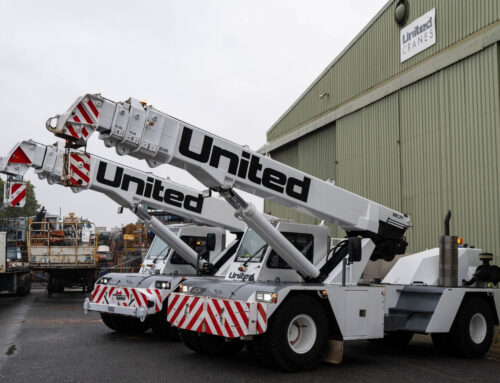
United Cranes is built around exactly these five factors. We are proud to be both CraneSafe and CICA accredited, our operators are certified and experienced, and our modern fleet runs from compact pick and carry Frannas up to a 245 tonne all terrain crane, so we can match the right machine to your access and load.
What you can expect from us:
- Licensed, insured crews with documented lift planning and risk assessments.
- A maintained, versatile fleet across Adelaide metro and regional South Australia.
- Clear, itemised quotes with no hidden surprises.
- Support for complex jobs through professional lift planning.
Explore our full range on the crane hire page or view the machines on our fleet page.
Frequently asked questions
What should I ask a crane company before hiring?
Ask for current operator licences, public liability and workers compensation insurance, evidence of fleet maintenance, and an itemised written quote. For anything complex, ask whether an engineered lift plan is included. A professional provider will answer all of these clearly and quickly.
Is the cheapest crane hire quote the best value?
Not usually. A low headline rate can hide fees for planning, travel or traffic control, and an unsuitable or unreliable crane can cause delays that cost far more than the saving. Compare the full scope of each quote rather than the top line figure.
What do CraneSafe and CICA accreditation mean?
CraneSafe and the Crane Industry Council of Australia support inspection and best practice standards in the crane sector. Accreditation signals that a provider maintains its equipment and follows recognised safety and compliance practices, which is a helpful benchmark when comparing operators.
Do I need a lift plan for my job?
Straightforward lifts may not, but complex, tight access or higher risk lifts benefit from an engineered lift plan that sets out load charts, rigging and site controls. If you are unsure, share your load details and site conditions and a good provider will advise what is required.
Talk to an Adelaide crane team you can trust
Tell us about your site and lift, and we will provide clear advice and an itemised, obligation free quote across Adelaide and South Australia.
Work through these five factors and the choice becomes far clearer. The right crane company will welcome these questions and answer them openly, because a provider with nothing to hide has every reason to prove it.
Related services
United Cranes • 68 to 70 Grand Junction Rd, Kilburn SA 5084 • 1300 306 198 • info@unitedcranes.com.au • Office hours 8:00am to 5:00pm. Serving Adelaide metro and regional South Australia.
This article is general information only and does not replace site specific safety or engineering advice.