What Is Precasting? An Introduction to Precast Concrete Panels
A clear guide to how precast concrete panels are manufactured, what makes them different from poured-in-place concrete, and why they are widely used across Australian construction.
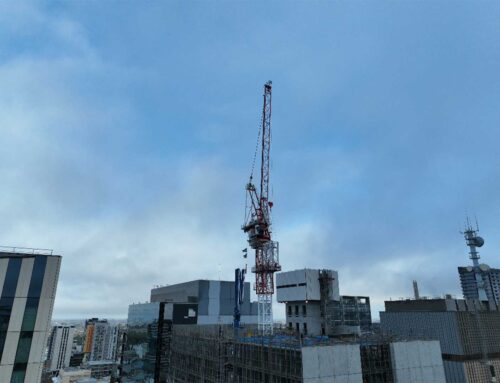
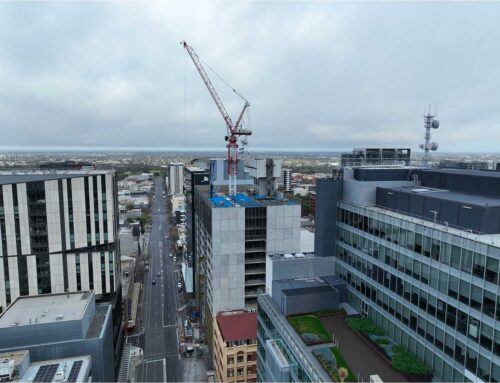
Concrete is one of the most common building materials on earth, but how it gets from a mix design to a finished wall, floor, or structural element varies significantly depending on the method used. One of the most efficient methods in modern construction is precasting. If you have driven past a commercial development, a warehouse build, or a multi-storey residential project in Adelaide and noticed large concrete panels being lifted into position by crane, you have seen precasting in action.
This guide explains what precasting is, walks through the manufacturing process, and covers the key benefits that make precast concrete panels a preferred choice for builders and developers across Australia.
What Is Precasting?
Precasting is a construction method in which concrete components are cast in a controlled, off-site environment, cured to the required strength, and then transported to the building site for installation. The term “precast” simply means the concrete element is formed before it reaches its final position in the structure.
This stands in contrast to in-situ (or poured-in-place) concrete, where formwork is built on site, concrete is poured directly into position, and the structure cures where it will remain permanently. While in-situ concrete has its applications, precasting offers significant advantages in terms of quality control, speed, and cost efficiency for many project types.
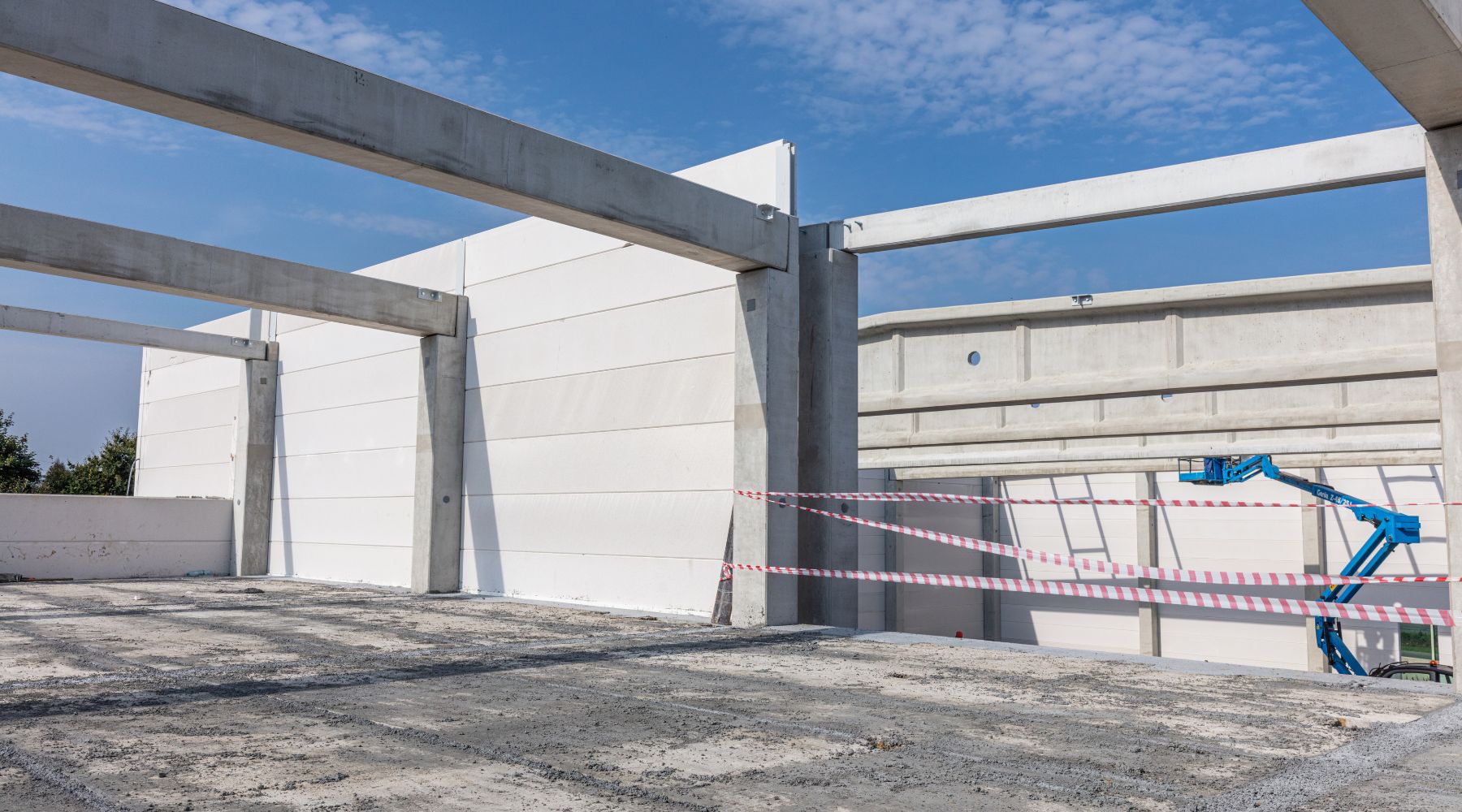
Precast concrete panels are the most common form of precasting used in Australian construction. These are flat concrete sections, typically reinforced with steel, that serve as walls, facades, floors, or structural elements once installed on site.
How Are Precast Concrete Panels Manufactured?
The manufacturing process for precast concrete panels follows a consistent sequence, though the specifics can vary depending on the panel size, design, and intended application. Understanding this process helps explain why precast panels deliver such consistent quality compared to on-site pouring.
01
Mould Preparation
Steel or timber moulds are built to the exact dimensions specified in the engineering drawings. The mould interior is cleaned and coated with a release agent so the cured panel can be removed cleanly.
02
Reinforcement Placement
Steel reinforcement bars (rebar) or mesh are positioned inside the mould according to the structural design. Lifting anchors, cast-in fixings, and any embedded services are also placed at this stage.
03
Concrete Pouring
Concrete is mixed to a precise specification and poured into the mould. Vibration is applied to remove air pockets and ensure the concrete fills every corner of the form evenly, producing a smooth, dense finish.
04
Curing and Demoulding
The panel cures under controlled conditions. Temperature, humidity, and curing time are managed to achieve the target compressive strength. Once cured, the panel is lifted from the mould, inspected, and stored until transport.
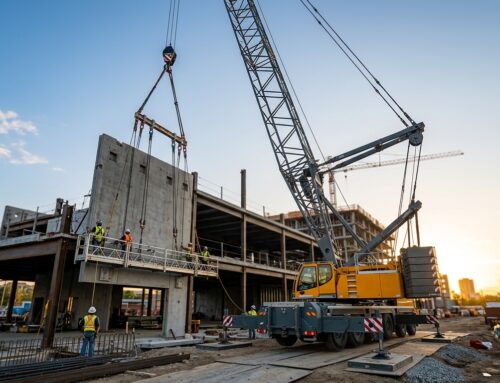
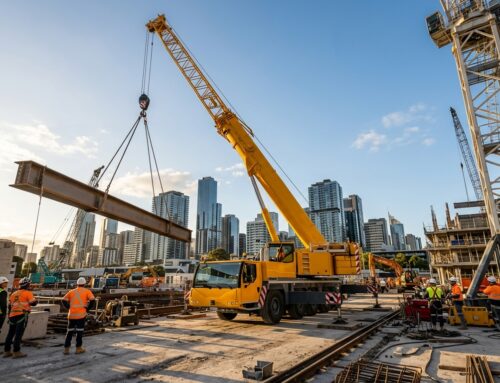
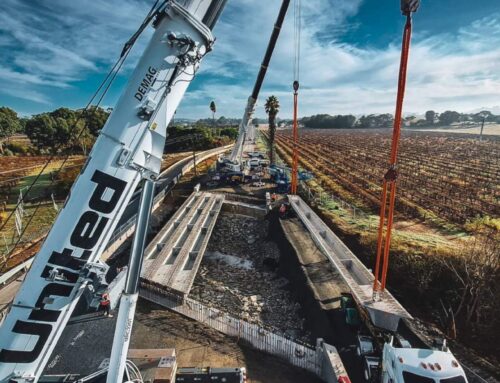
Once the panels arrive on site, they are lifted into their final position using a crane. This is the stage where precision matters most. The crane operator, riggers, and installation crew work together to align each panel to exact tolerances, secure it to the building’s structural frame, and ensure all connections are properly made. For projects in Adelaide, United Cranes provides dedicated precast installation services that cover the full lifting and placement process.
Benefits of Precast Concrete Panels
Consistent Quality – Because panels are cast in a controlled factory environment, variables such as weather, temperature fluctuations, and inconsistent site practices are removed from the equation. The result is a more uniform product with fewer defects compared to in-situ concrete.
Faster Construction Programmes – Panels can be manufactured while site preparation and foundation work are underway. Once the site is ready, panels are delivered and installed rapidly, often with multiple panels placed in a single day. This parallel workflow significantly compresses project timelines.
Reduced On-Site Labour – With much of the concrete work completed off site, there is less demand for formwork carpenters, concrete finishers, and related trades on the building site. This reduces labour costs and simplifies site logistics.
Structural Strength and Durability – Precast concrete panels are engineered to meet specific load-bearing, fire-resistance, and acoustic performance requirements. They offer excellent long-term durability with minimal ongoing maintenance.
Design Flexibility – Precast moulds can produce a wide range of shapes, textures, and finishes. Architectural precast panels can replicate stone, brick, or exposed aggregate appearances while providing the structural benefits of reinforced concrete.
Less Waste and Environmental Impact – Factory casting generates less material waste than on-site pouring. Moulds are reused across multiple panels, and excess concrete can be recycled within the plant rather than disposed of from the building site.
Where Are Precast Panels Used?
Precast concrete panels are used across a wide spectrum of construction projects. In commercial and industrial building, they are commonly used for external wall cladding, internal partition walls, floor slabs, and structural load-bearing elements. Warehouses, distribution centres, retail shells, and office buildings frequently use precast panels to achieve fast enclosure of the building envelope.
In residential construction, precast panels are increasingly popular for multi-storey apartment buildings and townhouse developments. They are also used in civil infrastructure projects such as retaining walls, bridge components, noise barriers, and culverts.
Regardless of the project type, the installation phase requires experienced crane operators and riggers who understand how to handle large, heavy panels safely. Proper lift planning, correct slinging techniques, and precise placement are essential to ensure each panel is installed without damage and within the required tolerances. This is where working with a provider experienced in precast installation makes a measurable difference to project outcomes.
The Role of Crane Hire in Precast Installation
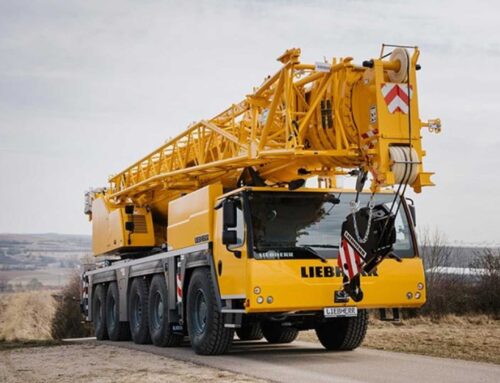
No precast installation happens without a crane. The size and weight of precast panels mean they cannot be manoeuvred by hand or with light equipment. The crane must have sufficient capacity to lift the heaviest panel on the schedule, enough reach to place it at the required height and radius, and the stability to operate safely within the site constraints.
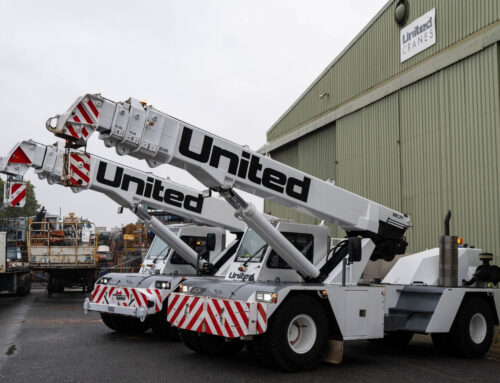
For Adelaide projects, United Cranes provides both the crane and the installation expertise as a combined service. This means the lift planning, crane selection, rigging, and panel placement are all managed by one team, reducing coordination risk and streamlining the process. To discuss your upcoming precast project, contact the United Cranes team for a tailored quote.
FAQs
What is the difference between precast and poured-in-place concrete?
Precast concrete is cast off site in a controlled factory environment, cured to the required strength, and then transported to the building site for installation by crane. Poured-in-place (in-situ) concrete is formed and poured directly on site where it will remain. Precasting offers better quality control, faster installation, and reduced on-site labour.
How long does it take to install precast panels?
Installation speed depends on the number and size of panels, site access, and crane capacity. On a well-prepared site, a skilled crew can typically install multiple panels per day. This is significantly faster than building equivalent walls using in-situ concrete or traditional masonry methods.
What size crane is needed for precast panel installation?
The crane size depends on the weight of the heaviest panel, the required lift height, and the pick radius from the crane’s set-up position. Lighter residential panels may only need a 20 to 40-tonne crane, while large commercial panels can require 100 tonnes or more. A provider like United Cranes will assess your panel schedule and site layout to recommend the right crane.
Planning a Precast Installation in Adelaide?
United Cranes provides expert precast panel installation with crane hire, rigging, and lift planning as a complete service. Get in touch for a fast, obligation-free quote.