The Role of a Building Construction Crane on a Job Site
From tower cranes on high-rise developments to mobile units on suburban builds, construction cranes are the backbone of every major lift on site. Here is how they work and why they matter.
Walk past any active construction site in Adelaide and one thing will stand out above everything else: the crane. Whether it is a tower crane anchored to the side of a rising building or a mobile crane sitting on a concrete pad, one truth holds. The building construction crane is the single most important piece of equipment for moving heavy materials safely and efficiently on a job site.
Despite their visibility, most people outside the industry have limited understanding of what different cranes actually do. Few know how providers select them for a project or the range of tasks they perform across the life of a build. This guide breaks down the primary types of building construction cranes and explains the functions they serve from ground works through to final fit-out.
Why Every Build Needs a Crane
Modern construction materials are heavy. A standard precast concrete wall panel can weigh several tonnes. Structural steel beams, roofing trusses, mechanical plant, formwork, and even bulk materials like bricks and timber are too heavy or too awkward to position by hand. The building construction crane exists to solve that problem: it lifts, moves, and places heavy loads at height and at distance with precision.
Without a crane, construction programmes would slow to a crawl. Teams would need to break materials into smaller, lighter loads and move them using labour-intensive methods. No crew could install critical structural elements like steel frames and precast panels. The crane is not an optional extra on a building site. It is the piece of equipment that keeps the programme moving and enables the trades behind it to do their work.
Types of Cranes Used in Building Construction
There is no single crane that suits every job. The type of building construction crane a provider chooses depends on several factors. These include the weight of the loads, the height of the structure, the reach required, and the physical constraints of the site. Below are the most common types used across Adelaide and South Australian construction sites.
Tower Cranes
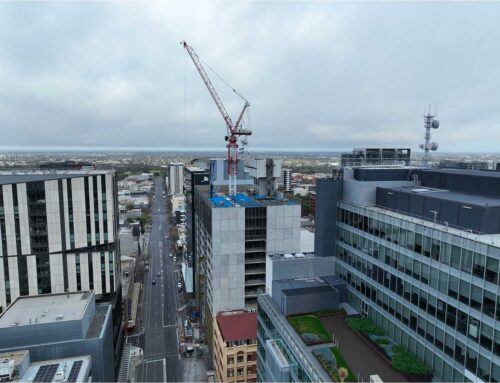
Tower cranes are the tall, fixed structures you see on major building sites. Crews assemble them on site and anchor them to the ground or the building itself. Tower cranes provide exceptional height and reach, making them essential for high-rise residential developments, commercial towers, and large-scale infrastructure projects. Their horizontal jib allows them to swing loads across the full footprint of a site. They can also lift materials to heights that no mobile crane can sustain over a long build. For projects in Adelaide that need sustained lifting at height, tower crane hire is the standard solution.
Mobile Cranes
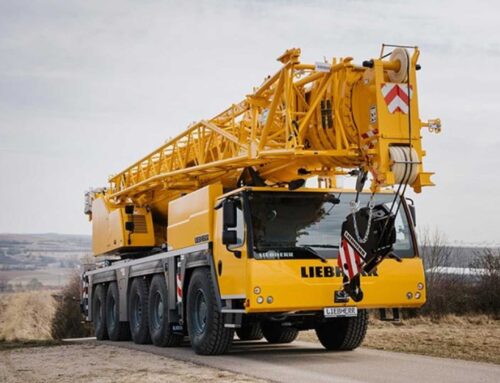
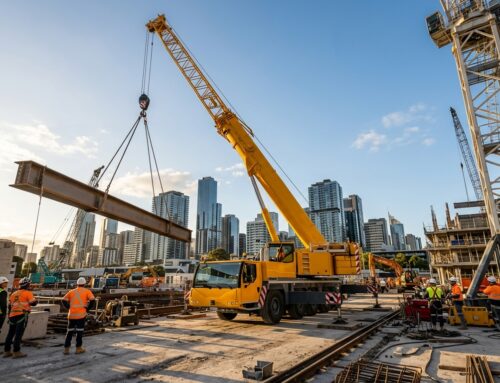
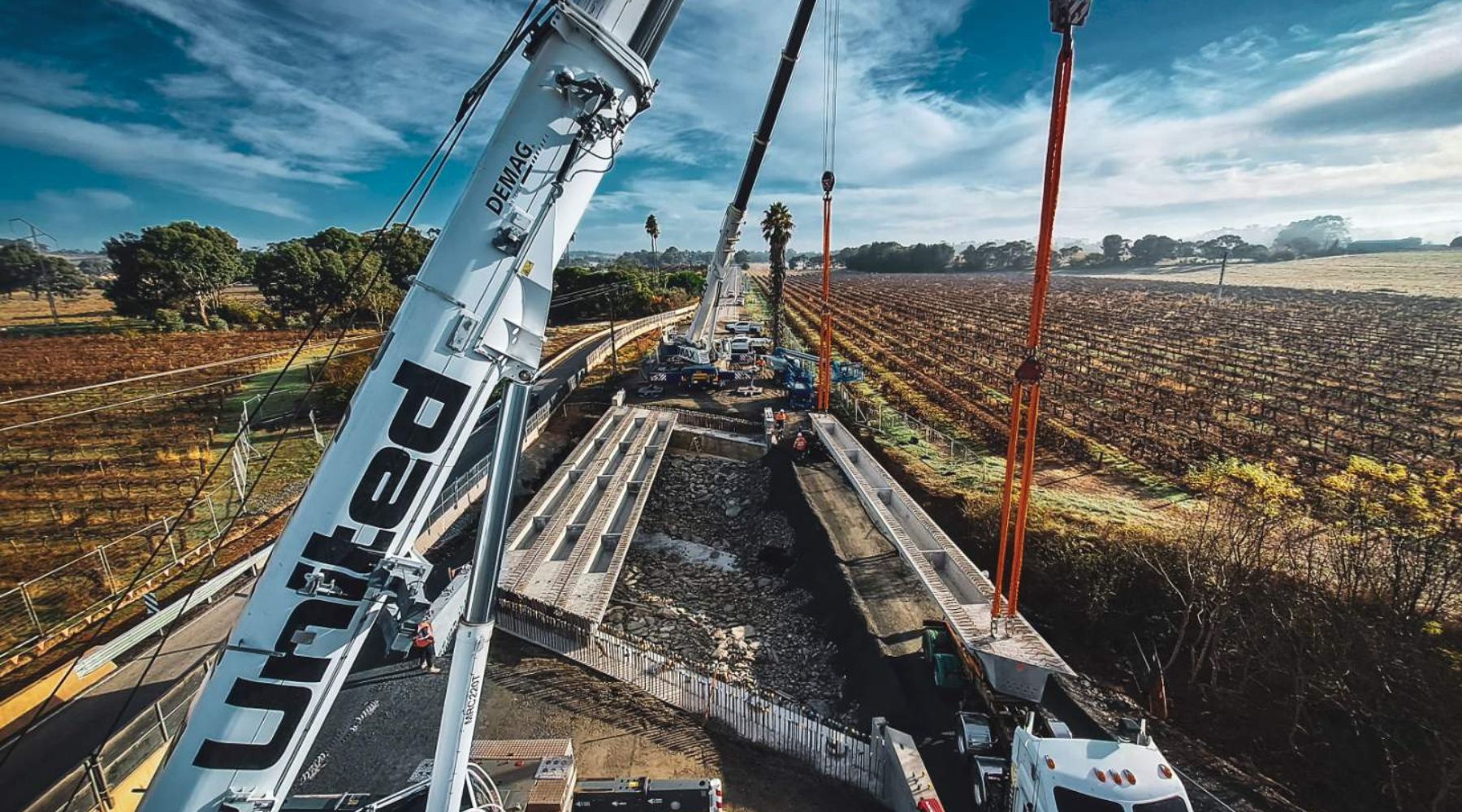
Mobile cranes are truck-mounted or all-terrain machines that drive to a site, set up using outriggers, and perform lifts from a fixed position. They are the most versatile type of building construction crane, available in capacities ranging from under 20 tonnes through to 245 tonnes or more. Mobile cranes handle everything from placing precast panels and steel beams to positioning mechanical plant on rooftops. Their ability to arrive, set up, complete the lift, and leave the same day makes them ideal for short-duration tasks on builds of all sizes.
Franna (Pick-and-Carry) Cranes
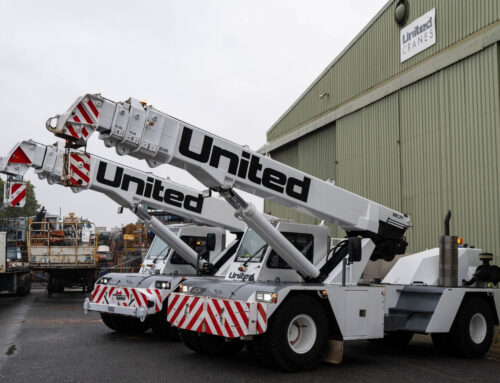
Franna cranes are compact, self-propelled machines that can pick up a load and carry it across a site while suspended from the boom. They do not always require outriggers, which means faster set-up and a smaller footprint. On building sites, Franna cranes handle lighter loads such as roof trusses, air conditioning units, and prefabricated bathroom pods. They suit materials that the crew needs to move across the work area rather than simply lift vertically.
Crawler Cranes
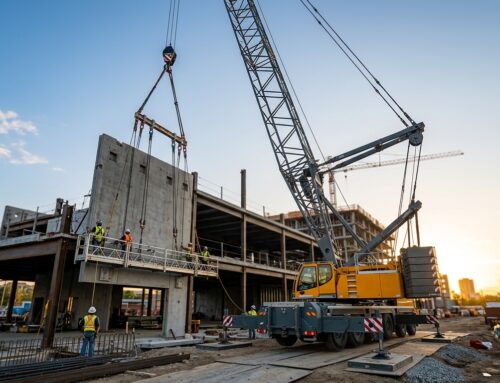
Crawler cranes run on tracks rather than wheels, giving them superior stability on soft or uneven ground. They commonly operate on civil construction projects, bridge builds, and large industrial sites where the crane needs to move under load across unprepared surfaces. Their lifting capacity can be significant, and they do not require outriggers because the wide track base provides stability.
Primary Functions of a Building Construction Crane
While lifting is the obvious function, the building construction crane performs a range of specific tasks across different phases of a project. Understanding these functions helps explain why crane selection and lift planning are so critical to keeping a build on programme.
Key Crane Functions on a Building Site
Structural Steel Erection – Lifting and positioning steel columns, beams, and trusses to form the structural skeleton of a building. This requires precise placement and coordination between the crane operator, riggers, and steel fixers working at height.
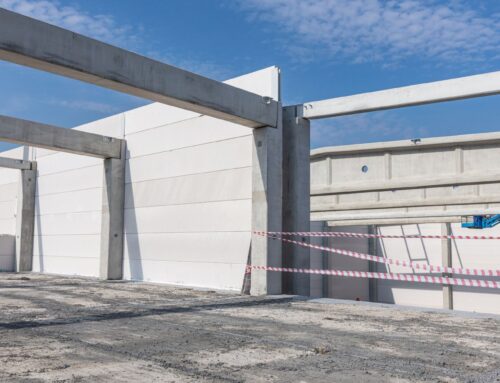
Precast Panel Installation – Lifting precast concrete wall panels, floor slabs, and architectural elements from delivery trucks. The crane places them into their final position on the structure. Panels can weigh several tonnes each, and the crew must set them to tight tolerances.
Material Distribution – Moving bulk construction materials such as bricks, timber, formwork, and reinforcement to upper levels of a building. On multi-storey sites, the crane often serves as the primary vertical transport for heavy materials throughout the build.
Mechanical Plant Placement – Positioning heavy mechanical and electrical equipment onto rooftops or plant rooms. This includes HVAC units, generators, switchboards, and cooling towers that other equipment cannot reach.
Modular and Prefabricated Component Installation – Lifting prefabricated modules such as bathroom pods, kitchen units, plant rooms, and entire modular building sections into position. This method of construction is growing rapidly in Adelaide and depends entirely on crane capability.
Formwork and Scaffolding – Lifting large formwork sections and scaffold components into position for in-situ concrete pours or facade access. These loads may not be the heaviest on site, but they are often bulky and require careful handling to avoid damage.
How Providers Select the Right Crane for a Building Project
Choosing the correct building construction crane is not simply a matter of picking the biggest machine available. The selection process involves matching the crane’s capacity, reach, and configuration to the specific demands of the project. Key considerations include the weight of the heaviest single load and the maximum height the crane needs to reach. The radius from the crane’s position to the load placement point matters too, along with the physical space available for safe set-up.
Ground conditions also play a role. A crane’s rated capacity assumes firm, level ground. Soft soil, slopes, or underground services beneath the set-up area can reduce effective capacity. These conditions may require additional ground preparation such as crane pads or compacted fill. On congested urban sites in Adelaide, overhead power lines, adjacent buildings, and traffic management requirements add further complexity to the planning process.
This is why experienced crane providers do not simply send a crane to a site and hope for the best. Reputable operators conduct detailed lift planning that accounts for every variable. For builders and project managers across Adelaide, working with a provider that offers comprehensive crane hire services removes the guesswork. That includes lift planning, crane selection, and certified operators who execute each lift safely and on schedule.
Safety and Compliance on Site
Strict work health and safety regulations govern every crane operation on an Australian construction site. Operators must hold the appropriate high-risk work licences. Each lift needs a documented risk assessment and Safe Work Method Statement (SWMS). Complex or high-risk lifts may also need an engineered lift plan from a qualified person.
Providers must regularly inspect and maintain the crane itself. Accreditations such as CraneSafe and CICA membership give independent verification. They confirm that a provider’s fleet and operations meet current industry standards. These are not just badges. They represent a commitment to ongoing compliance, regular audits, and continuous improvement in how providers maintain and operate cranes on building sites.
FAQs
What type of crane is most commonly used in building construction?
Mobile cranes are the most widely used across general building construction due to their versatility and range of capacities. Tower cranes are the standard choice for high-rise projects that need sustained lifting at height over weeks or months.
How is the right crane selected for a building project?
Providers base their selection on the heaviest load weight, the maximum lift height, the pick radius, site access, and ground conditions. A qualified crane provider will assess all of these factors during lift planning and recommend the most suitable crane for your project.
Do I need a separate rigger when hiring a building construction crane?
It depends on the complexity of the lift. Many crane hire providers supply a crane with a certified operator as standard. For lifts that involve slinging, load management, or coordination with other trades, you may also need a rigger or dogman. Discuss your job requirements with your provider to confirm what labour the quote includes.
Need a Crane for Your Next Building Project?
United Cranes provides mobile crane, tower crane, and specialist lifting solutions for building sites across Adelaide and South Australia. Get in touch for expert advice and a fast, obligation-free quote.